

The House Always Wins? Why Smart Players Still Love the Game
Ask anyone who has spent more than five minutes inside a casino why they keep coming back, and you will rarely hear "because I expect to get rich." The real answer is messier and far more interesting. It is the sound of chips clinking, the mathematical tension of a poker bluff, the meditative rhythm of spinning reels, and the quiet belief that this time, maybe, the math bends your way. iGaming has grown into a global industry worth well over 100 billion dollars annually, and the people inside it are not all chasing a jackpot. They are chasing an experience. If you understand why that experience is so seductive, you can enjoy it far more responsibly and, frankly, far more intelligently.
Why the Casino Floor Is a Masterclass in Psychology
Every game you encounter in a casino, whether physical or digital, was designed by someone who understands human behavior better than you do. That is not a conspiracy theory; it is product design. The flashing lights, the near-miss reel configurations, the way a slot machine pays out in coins rather than a single silent digital number, all of it exists to keep you engaged.
Consider the near miss. Research on slot machine players has shown that a reel combination landing one symbol away from a jackpot activates the same reward pathways as an actual win, even though nothing was won. Online slots take this further. Modern developers use variable reel speeds and "win celebration" animations that stretch a small payout into a dopamine event. Knowing this does not ruin the fun. It just moves you from being the mark to being the informed participant.
Poker is different. There is no house edge baked into the deal, only the rake. Your opponent is not the algorithm; it is another human with fears, tells and bankroll pressures. That is why poker rewards patience and emotional control far more than raw aggression.
Slots, RNGs and the Truth About Return to Player
If you play slots, you have almost certainly seen the term RTP, or Return to Player. It is usually expressed as a percentage, like 96.5 percent. Here is what that number actually means: over millions of spins, the machine is programmed to return that percentage of all money wagered. It says nothing about your session. A 96 percent RTP game can easily eat your entire bankroll in twenty minutes.
What matters more is volatility, sometimes called variance: For a closer look, g88.br.com has helpful details.
- Low volatility slots pay small amounts frequently. Good for long, relaxed sessions and stretching a modest budget.
- Medium volatility balances decent win frequency with moderate payouts. The default choice for most players.
- High volatility slots can go hundreds of spins without a win, then deliver a massive payout. They demand a larger bankroll and stronger nerves.
A practical tip: before you spin, decide on a session budget and a stop-loss. If you deposit 100 euros, treat it as the cost of an evening's entertainment, not as an investment. The moment you start chasing losses, the math stops being friendly.
Poker Is a Skill Game Wrapped in Gambling
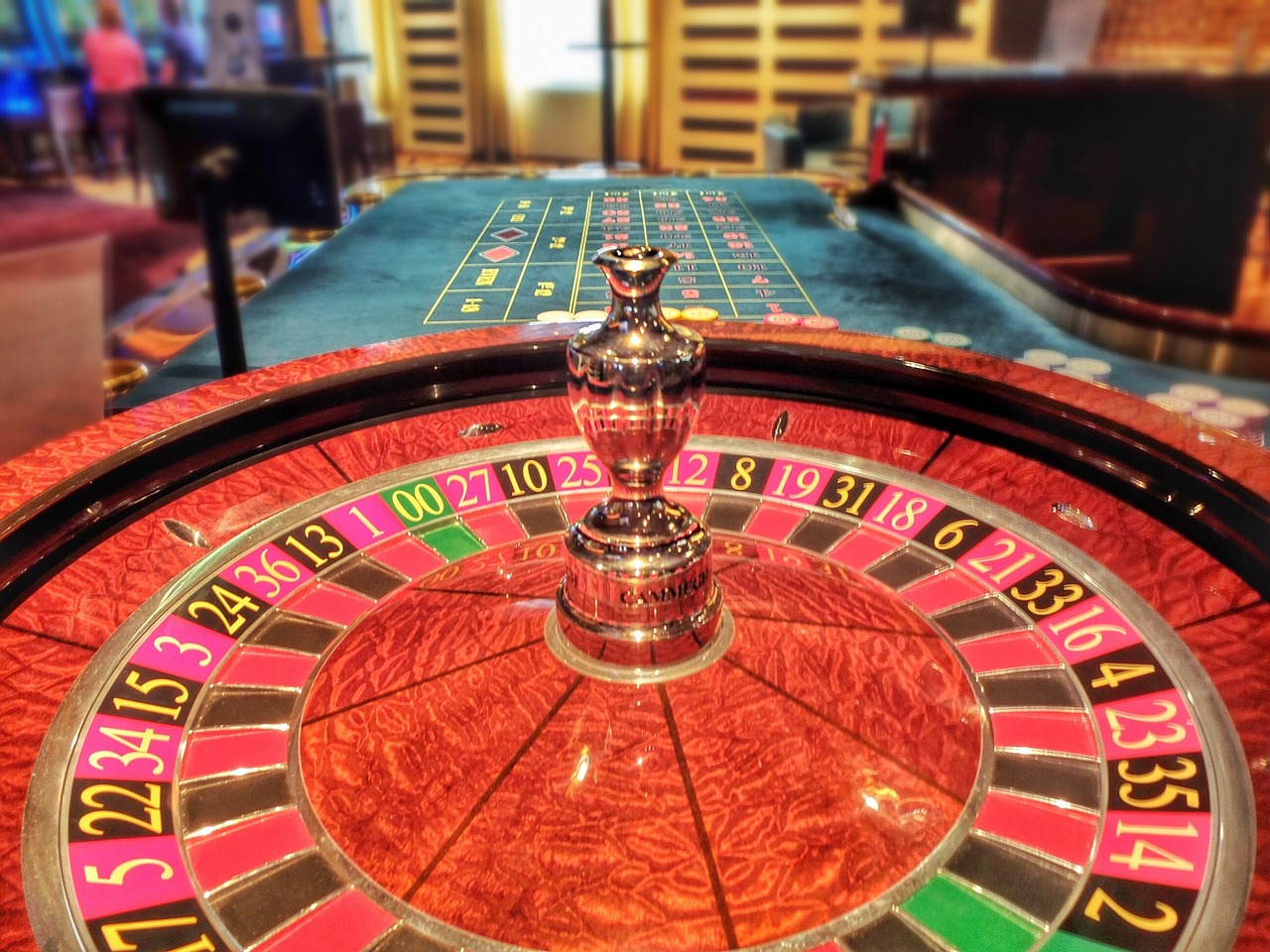
Here is a statement that will annoy some people: in the long run, a skilled poker player can beat a table of weaker opponents. That is not true of roulette, slots or the lottery. The house edge on American roulette sits at 5.26 percent, and no amount of concentration changes it. In poker, your edge is proportional to how badly your opponents play.
Texas Hold'em remains the most popular variant because it balances luck and skill beautifully in the short term while rewarding skill brutally in the long term. If you are learning, focus on three things long before you worry about bluffing:
- Position. Acting last gives you information. Information is money at the table.
- Bankroll management. Never sit down with more than five percent of your dedicated poker bankroll in a single cash game.
- Hand selection. Folding more than you feel like folding is the single fastest way to stop bleeding chips.
The most common leak among amateur players is not bad luck. It is playing too many hands out of boredom.
Sports Betting: Where Information Beats Impulse
Sports betting has exploded in legal markets across the United States, Europe and beyond, and with it has come a wave of bettors who treat odds like lottery tickets. The sharp bettors do the opposite. They look for value: situations where the probability of an outcome is higher than the odds imply.
Three concrete habits separate serious bettors from recreational ones:
- They track every bet in a spreadsheet, not their memory.
- They specialize in one or two leagues rather than betting on everything.
- They understand that a 55 percent win rate against the spread is genuinely excellent and profitable over time.
Live betting and same-game parlays are marketed heavily because they combine high margins for the operator with high entertainment for the player. That is a fine trade if you know you are buying entertainment. It is a terrible trade if you think you have found a loophole.
Technology Is Reshaping the Whole Ecosystem
Live dealer games stream real croupiers to your screen in real time, blending the convenience of online play with the atmosphere of a physical table. Crash games and provably fair crypto casinos introduced a new kind of transparency, letting players verify that outcomes were not tampered with. Meanwhile, AI-driven personalization now tailors bonuses and game recommendations to your behavior, which is convenient and slightly unsettling in equal measure.
One development worth watching is the rise of responsible gambling tools baked directly into platforms. Deposit limits, session timers and reality checks are no longer hidden in a settings menu on the better sites. Use them. They cost nothing and they protect the thing that matters most: your ability to keep playing on your own terms.
The Bottom Line
The house edge is real, the variance is real, and no strategy erases either. But that was never the point. The point is that iGaming offers a rare cocktail of math, psychology, nerve and storytelling that few other hobbies can match. Play the games you actually enjoy, learn the mechanics behind them, set limits before you sit down, and treat every euro or dollar you wager as the price of admission to a very entertaining show. Do that, and you will get far more out of the casino than the casino gets out of you.


Forging Basics
-
Ventilation, fire safety, and local planning rules matter. This guide covers practical steps for a responsible backyard smithy.


Projects


-

Long established fact that a reader will be distracted
-

Long established fact that a reader will be distracted
-

Long established fact that a reader will be distracted




Tooling
Karla Gleichauf
12 May 2017 at 05:28 pm
On the other hand, we denounce with righteous indignation and dislike men who are so beguiled and demoralized by the charms of pleasure of the moment
M Shyamalan
12 May 2017 at 05:28 pm
On the other hand, we denounce with righteous indignation and dislike men who are so beguiled and demoralized by the charms of pleasure of the moment
Liz Montano
12 May 2017 at 05:28 pm
On the other hand, we denounce with righteous indignation and dislike men who are so beguiled and demoralized by the charms of pleasure of the moment