

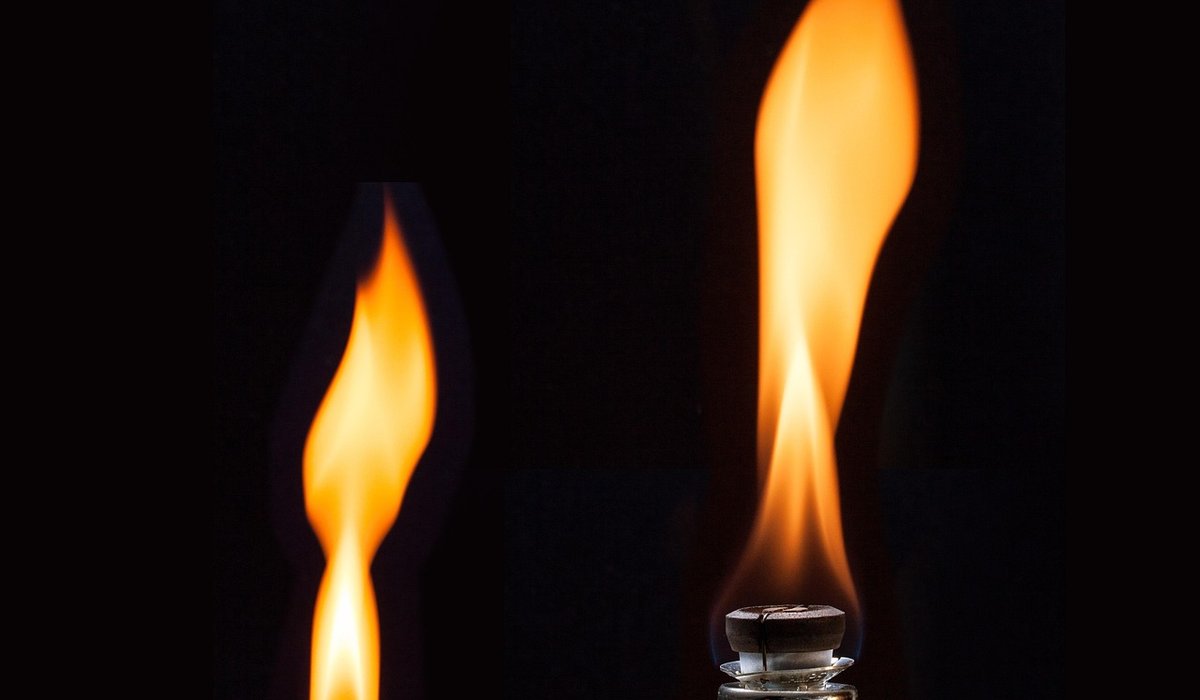
Preventing Rust on Your Forged Metalwork
Why Forged Iron Rusts So Readily
Iron and steel have a stubborn relationship with oxygen. Given half a chance — a damp morning, a salty breeze, a garden sprinkler left running — the surface of your handiwork will begin to bloom with that familiar orange-brown crust. Mild steel, which most modern forged work is made from, has no meaningful alloying elements to slow the process down. Unlike stainless steel, it simply cannot protect itself.
The good news is that rust is entirely preventable. A well-finished and well-maintained piece of blacksmithing can sit outdoors for decades, quietly weathering the British climate with nothing more than an annual wipe-down. The trick is to understand that protection is a system, not a single product. You need a barrier between the metal and the moisture, and you need to top that barrier up as it wears.
Before you think about finishes, though, deal with preparation. Any protective coating applied over mill scale, loose flaking rust or oily workshop grime will fail within a season. Wire-brush back to sound metal, degrease thoroughly, and dry the piece completely before you begin.
Oils and Traditional BLO: The Blacksmith's Standby
Boiled linseed oil (BLO) is the classic blacksmith's finish and remains one of the best for pieces that will live indoors or under cover — hooks, brackets, door furniture, boot scrapers by a sheltered porch. Warm the metal gently with a torch or in the forge until it is just too hot to touch comfortably, then brush or rag the oil on thinly. The heat draws the oil into the surface and helps it polymerise into a hard, slightly golden film.
Repeat two or three coats, letting each one dry. You will get a mellow, traditional look that suits rustic work beautifully.
- Strengths: cheap, easy to touch up, enhances the hammered texture rather than hiding it.
- Weaknesses: poor long-term water resistance outdoors; can go tacky in warm weather; needs renewing at least annually.
- Best for: interior ironwork, sheltered porches, decorative pieces, anything you want to look hand-made rather than painted.
For fully exposed work, BLO alone will not cut it. Think of it as a base coat or a seasonal maintenance oil rather than a permanent solution. Other oils — tung oil, specialist metal-protection oils, even a wiped coat of light machine oil — behave similarly and are useful for touching up scratches between bigger jobs.
Waxes and Paste Finishes for a Natural Look
Renaissance wax, microcrystalline wax and traditional black waxes offer a harder, more water-resistant barrier than oil while keeping that dark, subtly sheened finish that many people want from forged metal. Apply to warm metal in thin coats and buff back with a soft cloth. The wax sits on the surface, filling the tiny valleys in the scale and texture.
Wax finishes are excellent for garden art, decorative panels and gates that get looked at closely. They wear gracefully rather than chipping, and when the surface starts to dull you simply clean it and apply another coat. The trade-off is durability: a hot summer or a hard winter will thin the coating, and coastal salt air will strip it faster than you would like.
- Best for: ornamental and decorative work where appearance matters more than a lifetime guarantee.
- Watch out for: applying too thickly, which turns patchy and sticky in humid weather.
Paint Systems: Highest Protection, Most Preparation
If your gate needs to shrug off decades of British weather with minimal fuss, a proper paint system is hard to beat. The critical ingredient for ironwork is a zinc-rich primer, sometimes called a zinc phosphate or epoxy primer, which sacrifices itself to protect the steel beneath. Follow it with a good quality metal topcoat — gloss, satin or an all-in-one metal paint.
Preparation is everything. Shot-blast or grind back to bare, sound metal, apply primer within hours (before flash rust forms), and build up the coats as the manufacturer instructs. Two thin coats beat one thick one every time; runs and sags trap moisture instead of repelling it.
For a traditional finish on garden gates, a red oxide primer followed by a black gloss is still a perfectly respectable approach and easier to touch up than modern high-build systems. Just accept that paint hides the blacksmith's texture — if you have spent hours on hammer marks and twists, wax or oil will let you show them off.
Galvanising and Powder Coating: The Heavyweight Options
Hot-dip galvanising immerses the finished item in molten zinc, creating a metallurgical bond that protects against rust for decades, even in coastal or heavily polluted spots. It is the gold standard for structural gates, railings and anything that must simply last. Two caveats: the process dulls surface detail and can distort thin or heavily stressed sections, and freshly galvanised metal has a bright spangled grey appearance that many people dislike on heritage-style work.
Powder coating sprays electrostatically charged polymer onto the metal and bakes it to a tough, uniform skin. It looks superb, resists chipping well, and comes in any colour you like. The weakness is edges and drilled holes: if water gets under the film, rust can creep along unseen. The best outdoor approach combines both — galvanise first, then powder coat over the top.
Matching the Finish to the Job
There is no single right answer, only the right answer for your piece and its setting.
- Indoor hooks, handles and brackets: oil or wax, renewed once a year.
- Sheltered porch and gate furniture: wax or a light paint system.
- Exposed garden gates: zinc-rich primer plus two topcoats, or galvanised and powder coated.
- Coastal or very wet sites: hot-dip galvanising, full stop.
- Decorative garden art: wax for character, paint if you want to forget about it.
Whatever you choose, inspect your work each autumn. Touch in any scratches, re-oil the moving parts, clear the drainage holes at the base of gates and posts, and check that water is not pooling in joints. Rust almost always starts in a place you were not looking. Catch it early, and a forged gate made today can easily outlast the person who made it.


Forging Basics
-
The village smith was essential for farming, transport, and building. Learn about daily life, tools, and community status in rural Britain.

Projects


-

Long established fact that a reader will be distracted
-

Long established fact that a reader will be distracted
-

Long established fact that a reader will be distracted



Tooling
Karla Gleichauf
12 May 2017 at 05:28 pm
On the other hand, we denounce with righteous indignation and dislike men who are so beguiled and demoralized by the charms of pleasure of the moment
M Shyamalan
12 May 2017 at 05:28 pm
On the other hand, we denounce with righteous indignation and dislike men who are so beguiled and demoralized by the charms of pleasure of the moment
Liz Montano
12 May 2017 at 05:28 pm
On the other hand, we denounce with righteous indignation and dislike men who are so beguiled and demoralized by the charms of pleasure of the moment