

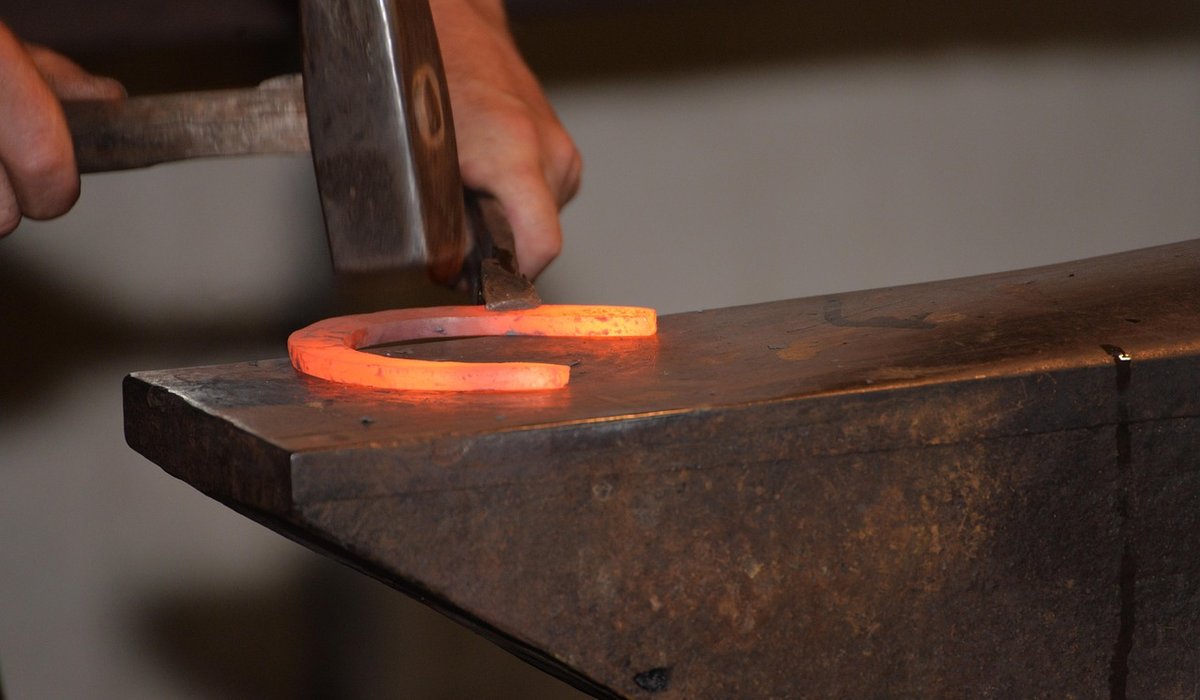
Setting Up a Small Home Forge Safely and Legally
Choosing the Right Spot for Your Forge
Before you buy an anvil, decide where the forge will live. A small home forge does not need a huge space, but it does need separation from anything that can burn. Aim for a clear area of at least 3 metres by 3 metres, with the forge itself 3 metres from timber fences, sheds, hedges, and your house. Overhead cables, trees, and gas meters are obvious hazards. A concrete or gravel base is ideal; never set up on dry grass, decking, or wooden pallets. If you use a shed or garage, choose one with a solid floor and a door you can open for airflow. Check your deeds, lease, or mortgage conditions first – some properties forbid outbuildings or business use. If you rent, get written permission from your landlord. Tell your neighbours what you plan to do; a friendly conversation now prevents complaints later.
Ventilation: The Non-Negotiable
Every forge produces carbon monoxide, smoke, and fine particulates. In an enclosed space, these can kill. You need cross-ventilation: a low-level inlet and a high-level outlet, ideally opposite each other. An open door alone is not enough, especially on still days. Fit a proper chimney or flue hood over the fire pot, and make sure it draws well. For solid fuel, the flue must take smoke outside, above roof level. For gas forges, you still need fresh air and an extractor fan rated for the space. Install a carbon monoxide alarm – not just a smoke alarm – and test it weekly. Never block vents to stay warm. If you feel dizzy, headachy, or sick, stop immediately and get outside. A smoke match or cheap anemometer can help you check airflow. If in doubt, forge outdoors under a lean-to with at least two open sides.
Fire Safety and Hot Work
Hot metal throws sparks further than you think. Clear the area of paper, rags, solvents, paint tins, and gas cylinders. Keep at least two fire extinguishers: a dry powder or foam for general fires, and a CO2 for electrical risks. A bucket of sand and a bucket of water are also useful, but never use water on a metal fire involving magnesium or titanium. Have a fire blanket and a first aid kit for burns. Wear a leather apron, safety goggles, ear defenders, and steel-toe boots. Tie back long hair. Quenching tanks should be metal, not plastic, and placed on a stable surface. After you finish, stay in the area for at least 30 minutes to watch for smouldering embers. Rake out ashes only when cold, and put them in a metal container. If you rent, ask about hot work permits.
Planning Permission and Legal Rules
In the UK, a small hobby forge may fall under permitted development for outbuildings, but there are limits. Usually, outbuildings must not be forward of the principal elevation, and height is restricted to 2.5 metres if within 2 metres of a boundary, or 4 metres otherwise. If you sell what you make, or run courses, that is a business – you will likely need planning permission for change of use. Listed buildings and conservation areas need consent for any structure. Check whether you are in a Smoke Control Area; you must burn authorised fuels or use an exempt appliance. Your local council’s environmental health team can advise on smoke and noise nuisance. Never pour quenching water, scale, or slag down drains – dispose of it at a licensed waste site. Finally, tell your home insurer. Standard policies often exclude forge work, so you may need specialist cover.
Fuel, Tools and Safe Habits
Choose your fuel carefully. Blacksmith’s coal, coke, and charcoal are traditional. Never burn treated timber, plastic, or galvanised metal – zinc fumes cause metal fume fever. For gas forges, use propane or butane with a proper regulator and leak-check hoses with soapy water. Store cylinders outside, upright, and secured. Keep tools in good order: dress hammer faces, replace cracked handles, and check tongs for grip. Work at a steady pace, take breaks, and drink water. Never forge alone if you can avoid it; tell someone your plans. Keep children and pets well away with a physical barrier. A sign saying “Hot work in progress” is a simple, effective warning.
Neighbours, Noise and Insurance
Hammering carries. Limit your hours to reasonable daytime slots, avoid early mornings and Sundays, and take longer breaks. Smoke is the most common complaint, so burn clean, dry fuel and never add rubbish to the fire. Introduce yourself to neighbours and explain what you are doing. If you plan to teach or sell, you need public liability insurance and a written risk assessment. Keep a log of maintenance and safety checks. Joining a local or national blacksmithing association can give you advice, insurance options, and a community of people who have solved the same problems. A responsible backyard smithy is a joy – with a little preparation, you can enjoy the craft without falling foul of the law or your neighbours.


Forging Basics
-
Master these three fundamental moves to shape hot metal with confidence. Each technique builds control and efficiency at the anvil.

Projects


-

Long established fact that a reader will be distracted
-

Long established fact that a reader will be distracted
-

Long established fact that a reader will be distracted


Tooling
Karla Gleichauf
12 May 2017 at 05:28 pm
On the other hand, we denounce with righteous indignation and dislike men who are so beguiled and demoralized by the charms of pleasure of the moment
M Shyamalan
12 May 2017 at 05:28 pm
On the other hand, we denounce with righteous indignation and dislike men who are so beguiled and demoralized by the charms of pleasure of the moment
Liz Montano
12 May 2017 at 05:28 pm
On the other hand, we denounce with righteous indignation and dislike men who are so beguiled and demoralized by the charms of pleasure of the moment