

Finishing Techniques for Hand Forged Metalwork
Why the Finish Matters
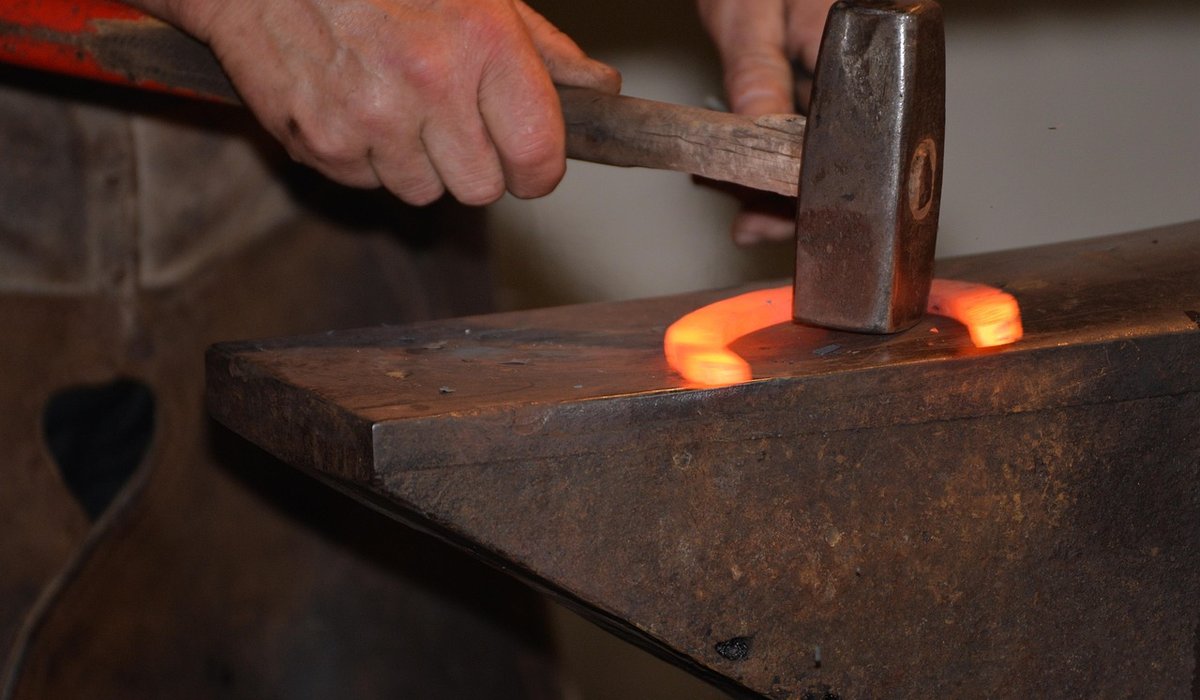
A forged piece is never truly finished when it comes off the anvil. The surface you leave on the steel — and what you put on top of it — decides how the work ages, how the light catches it, and whether it will still be admired in twenty years' time.
A finish does two jobs at once. It protects the metal from corrosion, and it enhances the texture your hammer left behind. Some finishes invite people to look closer at every hammer mark; others quieten the surface so the form itself speaks. Neither is wrong, but the choice should be deliberate, and it should start with one question: where will this piece live? Indoors you can afford finishes that are beautiful but fragile. Outdoors, you need something that will shrug off rain, frost and the occasional splash of road salt.
Cleaning Back: Scale, Rust and Old Coatings
No finish will hold on a dirty surface. Forge scale, rust, oil and greasy fingerprints all have to go before you apply anything. This is the stage most people rush, and it is the stage that determines whether the finish lasts.
- Wire wheel on a bench grinder or angle grinder. Work at a moderate speed and let the bristles do the cutting rather than pressing hard, which only polishes and burnishes the surface. A twisted-knot brush shifts heavy scale; a crimped brush gives a finer, softer appearance.
- Flap discs and abrasives for stubborn scale or to flatten a weld. Finish with 120-grit if you want the metal to take an even patina, or stop coarser if you want the hammer texture to remain pronounced.
- Needle guns and wire hand brushes for corners, scrolls and tight junctions where power tools simply cannot reach. A brass brush leaves a warmer, gentler sheen than steel.
- Degreasing with white spirit or acetone immediately before finishing. From this point on, wear gloves — the natural oils in your fingers will show through a wax or oil finish as dull patches.
Wipe the piece down and let it dry fully. Any moisture trapped under a coating will cause rust to bloom from beneath, which is far worse than an honest rusty surface.
Wax and Oil: Traditional Finishes for Indoor Pieces
For interior work — fireside tools, hooks, candlesticks, furniture — wax and oil are hard to beat. They are forgiving, easy to repair and they deepen the character of the steel rather than hiding it.
The classic approach is to warm the metal to around 100–150°C, either in an oven, with a hot air gun or with a gentle flame, then apply the finish with a rag. The warmth opens the surface and lets the wax or oil sink in. A simple workshop mix is equal parts beeswax and boiled linseed oil, melted together and kept in a tin. Apply it thinly while the metal is hot, let it cool, then buff briskly with a clean cloth to remove the excess and bring up a soft sheen.
For a more durable indoor finish, microcrystalline wax is worth the extra cost. It is harder than beeswax, resists fingerprints and dust, and does not bloom or go tacky in warm rooms. Apply it warm, in two or three thin coats, buffing between each. Pure linseed oil alone will darken the steel over time to a rich, almost black-brown — handsome on a fire poker, less so on a piece where you want the steel to stay bright.
Weathering the Elements: Finishes for Outdoor Work
Outside, the rules change. Water sits in every crevice, and steel that is merely waxed will need constant attention. The best outdoor finishes combine a barrier with a degree of sacrificial protection.
- Hot wax over hot metal. Heat the piece to around 200°C and apply a wax-and-oil mix. It blackens slightly and leaves a tough, satin surface. Expect to recoat once a year, ideally in autumn before the worst of the weather.
- Oil-based enamels and hammered-effect paints. Preparation is everything: blast or wire brush to bare metal, apply a suitable metal primer, then two thin topcoats rather than one thick one. Thin coats adhere better and dry harder.
- Hot-dip galvanising. Outstanding for structural work such as gates, railings and brackets. It can be painted afterwards, but the surface must be properly prepared or the paint will flake.
- Powder coating. Hard-wearing and available in a wide range of colours, but it chips. Once moisture gets under a chip it creeps along the steel, so touching in damaged areas promptly is essential.
There is also the deliberate rust finish, where you encourage an even, deep-brown oxide and seal it with oil or wax. Done well it looks ancient and fitting for garden sculpture; done badly it simply looks neglected.
Heat, Colour and Chemical Patinas
Heat is one of the blacksmith's finest colouring tools. Polished steel heated gently will run through straw, bronze, purple and blue before it reaches grey — a range worth practising on offcuts. Once you reach the colour you want, quench in oil to fix it and give a subtle protective film.
For copper alloys, chemical patinas open up greens, blues and browns. Liver of sulphur gives deep browns and blacks; ferric nitrate brushed onto warm brass produces warm golds. Always neutralise thoroughly afterwards, and seal with wax. Brass brushing — heating steel and scrubbing it with a brass wire brush — leaves a warm golden tone that waxes up beautifully.
A caution: clear lacquers look superb for a season and then trap moisture beneath them, causing pinpoint rust. For anything handled or used outdoors, wax is the safer bet.
Living With the Finish
Finishes are not permanent, and that is part of their charm. Waxed indoor pieces benefit from a light buff every few months. Outdoor work should be inspected each autumn, with any rust spots wire-brushed back and recoated before winter sets in. Store spare wax mix in a sealed tin, keep a dedicated set of finishing rags away from oily machinery, and always test a new finish on an offcut before committing it to a finished piece. Look after the surface and it will reward you by growing more handsome with every year.


Forging Basics
-
Village smiths once shaped tools, hinges, and horseshoes. Trace the craft's evolution from medieval times to the industrial age.

Projects


-

Long established fact that a reader will be distracted
-

Long established fact that a reader will be distracted
-

Long established fact that a reader will be distracted



Tooling
Karla Gleichauf
12 May 2017 at 05:28 pm
On the other hand, we denounce with righteous indignation and dislike men who are so beguiled and demoralized by the charms of pleasure of the moment
M Shyamalan
12 May 2017 at 05:28 pm
On the other hand, we denounce with righteous indignation and dislike men who are so beguiled and demoralized by the charms of pleasure of the moment
Liz Montano
12 May 2017 at 05:28 pm
On the other hand, we denounce with righteous indignation and dislike men who are so beguiled and demoralized by the charms of pleasure of the moment